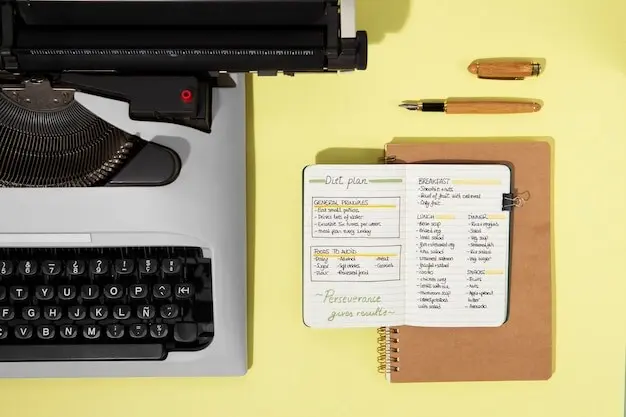


Build a Thinking System That Scales

Today we dive into how the Zettelkasten method compares with wiki-based note systems, offering a clear, practical guide to structures, linking strategies, and daily workflows. You’ll learn when each approach shines, where they overlap, and how to combine them without confusion, illustrated by real workflows, stories, and tool-agnostic principles you can apply immediately to grow durable knowledge and ship better work.

From Fleeting Notes to Durable Knowledge

Ideas rarely arrive fully formed, which is why the path from quick captures to dependable knowledge matters so much. In this exploration, we’ll compare atomic building blocks with broader pages, examine how links give life to context, and show how deliberate refinement turns scattered fragments into reliable references you trust under pressure, from research sprints to product launches and long-term creative projects.

Connections That Spark Insight

Discovery thrives on meaningful links, not just storage. Comparing densely interlinked concept notes with navigable webs of pages reveals how backlinks, tags, and indexes shape context. We’ll look at how deliberate connections create unexpected paths, why emergent clusters matter for synthesis, and how curated overviews coexist with serendipity, turning your archive into a living conversation where ideas meet, challenge each other, and evolve productively over time.

Backlinks and Context

A simple backlink doubles as a memory amplifier. When every note or page shows who references it, you gain an instant map of relevance and narrative. Context panes, transclusions, and local graphs deepen this effect, revealing neighbors you did not anticipate. The result is a habit of following curiosity through reliable trails, surfacing patterns that would remain invisible inside static folders or isolated documents.

Structure Notes versus Index Pages

Curated overviews tame complexity without suffocating creativity. Hand-built structure notes outline arguments, literature threads, or research lines using concise links, while index or portal pages gather pathways for onboarding and common tasks. Both approaches resist rigid taxonomies by celebrating living navigation. Over time, these flywheels mature into trustworthy wayfinding layers, guiding newcomers and reminding veterans what matters next, and why it deserves attention.

Serendipity Engines

Great systems leave room for surprise. Random note surfacing, recently edited lists, and graph-based neighborhood views encourage collisions between distant ideas. When paired with reflective prompts—like revisiting yesterday’s captures or last month’s open questions—these mechanisms create gentle friction that challenges assumptions. Expect a steady drip of unexpected links that nudge projects forward, unlock metaphors, and reveal bridges between disciplines you never intended to connect.

Solo Research and Writing

A graduate student drafted a literature review by turning highlights into crisp concept notes, linking competing definitions, and building a lightweight outline from the links themselves. Weeks later, recombining those building blocks produced a publishable argument with citations at hand. The process felt playful, yet rigorous, reducing procrastination and surfacing contradictions early, when changing course was cheap and intellectually honest rather than painful or rushed.

Collaborative Knowledge Hubs

A product team created a shared hub where decisions, experiments, and playbooks lived side by side. Clear index pages guided newcomers from goals to specs to postmortems. Backlinks captured rationale, preventing déjà vu debates. As engineers refined entries after sprints, marketers and support referenced the same pages, shrinking knowledge silos. The repository became less a graveyard of documents and more an evolving memory everyone could trust.

Hybrid Habits

Many practitioners blend atomic thinking for idea formation with navigable hubs for coordination. Draft alone using small, linked concepts, then publish consolidated summaries to a shared space with friendly entry points. Periodically sync the two: promote proven insights outward, pull feedback inward, and keep bridges healthy with checklists. This rhythm preserves personal creativity while ensuring teams find durable, dependable artifacts that accelerate delivery rather than slow it.

Local-First and Portability

Protect your work from lock-in by prioritizing formats you can read in a decade. Plain text, Markdown, and human-friendly identifiers age well and travel easily. Choose tools that export richly, preserve links on move, and integrate with version control. With portability solved, you can experiment freely, confident that creative momentum outlives any single app’s roadmap, pricing shift, or abrupt rebranding that might otherwise derail continuity.

Templates and Automation

Automations should remove friction without hiding thinking. Use templates for recurring research notes, meeting summaries, and experiment logs. Let scripts add metadata, stitch daily notes, and surface stale pages due for review. But keep customization lightweight and transparent. If a shortcut breaks, you must still understand your system’s skeleton. Thoughtful defaults accelerate capture and connection while preserving the human judgment that turns data into genuine insight.

Maintenance, Evolution, and Trust

A knowledge base is a garden, not a warehouse. Left alone, weeds appear: duplicates, vague pages, orphaned notes. Regular tending—merging, pruning, renaming—keeps signal strong and search crisp. We’ll compare solo review rituals with collaborative governance, discussing naming conventions, version history, and community norms that prevent drift. Done well, maintenance compounds trust, making your archive more useful the older and larger it becomes.

Measuring Outcomes and Keeping Momentum

If it doesn’t help you think, write, decide, or ship, it’s decoration. Track signals that matter: time to find an answer, freshness of critical pages, drafts completed per quarter, or ideas recombined into publishable work. Use lightweight reviews to steer improvements. Finally, invite readers to share what works for them, compare practices, and co-create experiments that keep everyone moving forward with less friction and more joy.

Signals of Progress

Define metrics that reflect impact, not vanity. Measure retrieval speed during real tasks, reduction in duplicate work, and how often notes feed deliverables. Watch for increased cross-links and revived older entries gaining new life. When progress slows, investigate friction points compassionately, then adjust rituals. Treat metrics as compasses, not report cards, guiding pragmatic tweaks that preserve curiosity while compounding the value of your intellectual assets.

Review Rhythms

Adopt a cadence that fits your workload. Weekly snapshots surface quick wins and blockers. Monthly audits tackle larger refactors and curriculum building. Quarterly retros focus on outcomes: which ideas matured, which stalled, and why. Keep rituals lightweight, written, and visible. Over time, these practices turn personal notes and shared hubs into an evolving studio where feedback loops shorten, decisions accelerate, and creative risks feel safer.

Join the Conversation

Share your experience comparing these approaches: what accelerated your learning, where did friction appear, and which hybrid patterns surprised you? Leave a comment with an anecdote, subscribe for fresh experiments, and vote on upcoming deep dives. Your stories sharpen this guide, help others avoid dead ends, and create a community where knowledge work becomes less lonely, more rigorous, and delightfully collaborative.

Pexilaxisirapentoloro
Privacy Overview

This website uses cookies so that we can provide you with the best user experience possible. Cookie information is stored in your browser and performs functions such as recognising you when you return to our website and helping our team to understand which sections of the website you find most interesting and useful.